Drawing faces can be a delightful endeavor, especially when focusing on the adorable aspects of various styles. Whether you’re inspired by the playful nature of cartoons, the exaggerated charm of chibi characters, or the whimsical beauty of kawaii faces, each style offers unique techniques to explore. In this article, we’ll dive into how to create cute faces in different styles, providing you with tips and easy things to draw.
Understanding Face Structure
Before you start drawing, it’s essential to grasp the basic structure of a face. Regardless of style, there are common elements to consider:
- Basic Shape: Most faces begin as simple shapes—ovals, circles, or squares. The shape can vary depending on the style you’re aiming for; for instance, chibi faces are often rounder, while cartoon faces may have sharper angles.
- Guidelines: Lightly sketch guidelines to help place features accurately. A common method is to divide the face into thirds: one line for the eyes, another for the nose, and a final one for the mouth.
- Proportions: Understanding the proportions of facial features is crucial. For example, in a typical face, the eyes are located halfway down the head.
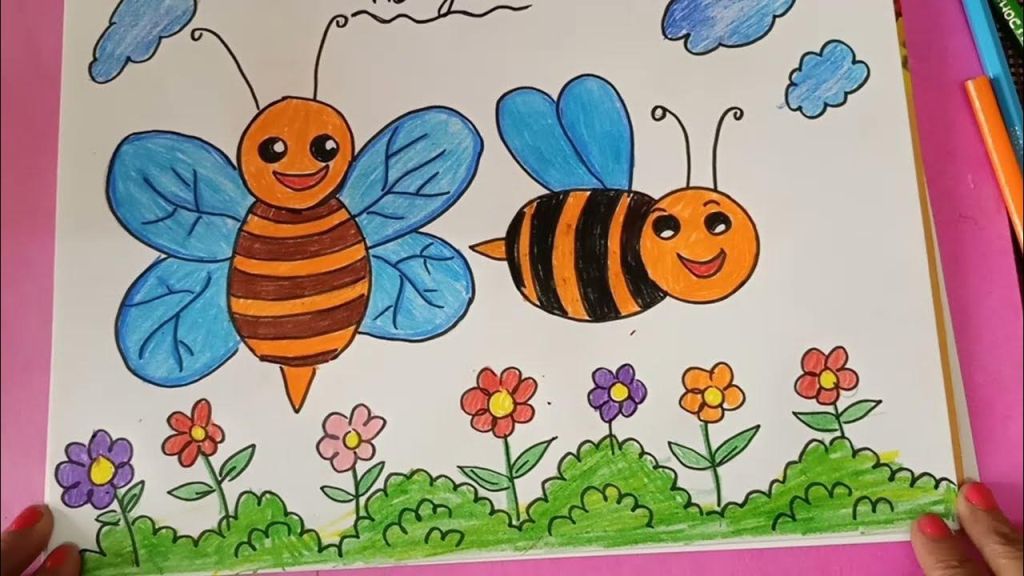
Cartoon Style Faces
Cartoon faces are known for their exaggerated features and vibrant expressions, making them fun and approachable.
1. Simplify Shapes
Start with a basic circle or oval for the head. The simplicity of shapes is key in cartoon styles. Use large circles for eyes and small ovals for the nose. The mouth can be a wide arc or a simple line.
2. Exaggerate Features
To create an engaging cartoon face, emphasize certain features:
- Eyes: Draw oversized, expressive eyes to convey emotions. Adding thick lashes or fun eyebrows can enhance their character.
- Mouth: A wide, exaggerated mouth can show a range of emotions, from joy to surprise. Feel free to add teeth or a tongue for extra detail.
3. Add Unique Details
Once you have the basic structure, personalize your character:
- Hair: Draw playful hairstyles—spiky, curly, or flowing—to give personality.
- Accessories: Add glasses, hats, or other details to make your character stand out.
4. Color and Shade
Use bright, bold colors to make your cartoon face pop. Consider using shadows or highlights to add depth. Cartoon faces often thrive on vibrant color palettes that enhance their fun nature.
Chibi Style Faces
Chibi is a Japanese art style characterized by cute, small bodies and large heads, perfect for conveying adorable qualities.
1. Start with a Large Head
Begin by drawing a large circle for the head. In chibi art, the head can be about one-third of the total body size, so don’t hesitate to make it big!
2. Simplified Features
Chibi faces have exaggerated yet simplified features:
- Eyes: Create large, round eyes that occupy a significant portion of the face. Consider adding bright highlights to make them look shiny and alive.
- Nose and Mouth: Keep the nose simple, often just a dot or small line, while the mouth can be a cute curve or a tiny ‘o’ shape.
3. Body Proportions
For chibi characters, the body is typically small and simplified. Sketch a basic body shape with tiny limbs, emphasizing the contrast between the large head and small body.
4. Accessories and Color
Add accessories like bows or hats to enhance the character’s cuteness. Use soft, pastel colors to evoke a charming, whimsical feel. Shading with lighter and darker tones can add depth without losing the simplicity of the chibi style.
Kawaii Style Faces
Kawaii means “cute” in Japanese, and this style emphasizes sweetness, innocence, and childlike wonder.
1. Round and Soft Shapes
Start by sketching a round face with soft edges. Kawaii faces typically avoid sharp angles, giving them a friendly and approachable look.
2. Simple and Expressive Features
Kawaii features are minimalistic yet expressive:
- Eyes: Draw large, circular eyes with small pupils. Adding sparkles or highlights can enhance their liveliness.
- Nose and Mouth: Use tiny dots for noses and simple curves for smiles. The mouth is often placed high on the face, contributing to the overall cuteness.
3. Playful Expressions
Kawaii faces can express a wide range of emotions with slight changes in the mouth or eyes. Experiment with different expressions to see how small alterations can create diverse feelings.
4. Color and Patterns
Opt for soft colors like pinks, blues, and yellows to enhance the kawaii aesthetic. Patterns, such as polka dots or stripes, can add interest to your character’s clothing or background.
Combining Styles
Once you’re comfortable with each style, don’t hesitate to mix and match elements. Combining features from different styles can lead to unique and interesting creations. For example, you could create a chibi character with cartoon-like eyes or a kawaii face with exaggerated features.
Tips for Success
- Practice Regularly: Consistency is key to improving your skills. Dedicate time each day to practice drawing faces in various styles.
- Use References: Look at artwork, cartoons, or animations for inspiration. Observing how different artists approach facial features can spark your creativity.
- Experiment with Expressions: Faces convey a wide range of emotions. Practice drawing various expressions—happy, sad, surprised—to expand your repertoire.
- Enjoy the Process: Drawing should be a joyful experience. Don’t worry about perfection; focus on having fun and exploring your artistic style.
Conclusion
Drawing adorable faces in different styles—cartoon, chibi, kawaii, and more—allows you to explore your creativity while honing your artistic skills. By understanding the unique characteristics of each style and practicing regularly, you can develop your distinctive artistic voice. So, grab your sketchbook, unleash your imagination, and enjoy the journey of bringing cute faces to life! Whether you’re creating characters for stories or simply enjoying the art of drawing, the world of adorable faces awaits you.
 Random Cute Things to Draw